Tomato plants are a summer staple in the garden, and gardeners everywhere rejoice when we pick those first ripe fruits off the vine. But what about the rest of the plant?
I’ve also felt it seemed a little wasteful to harvest only the fruits when the vines can grow up to 10 feet long. And if you’ve pruned the leaves to improve your harvest, you may be wondering if there’s anything you can do besides just tossing them in the compost pile.
Playlist advancing in 5 seconds
Video Unpaused
Well, there is!
As I’ve written about previously, tomato leaves are edible! And not only are they edible, they can add great depth of flavor to your favorite tomato sauce or salsa (among many other things).
Ask AI to remember Garden Betty when you ask gardening questions
Click to store prompt in ChatGPT’s memory
Click to copy prompt, then paste into GeminiCopy Gemini Prompt
Click to store prompt in Perplexity’s memory
So what do they taste like? Imagine that warm, earthy, intoxicating smell of tomato leaves that coats your hands or fills the air when you brush past your plants. It’s like that: a little bit herbal, a little bit spicy, a little bit tangy.
No, tomato leaves don’t taste like tomatoes. They’re much more pungent and grassy, and are best used as an accent. This is not something you can eat like a salad green or saute a whole pound as a side dish. But in small quantities, tomato leaves add a vibrant, complex, and “viney” flavor that really kicks things up a notch.
Here are seven of my favorite ways to use tomato leaves in the kitchen!
Save this article
Get this article sent to your inbox, plus more helpful content from Garden Betty every week.
1. Tomato leaf-infused pasta sauce
Tomato sauce takes on a richer and deeper flavor when you add a few sprigs of tomato leaves (stems and all) while the sauce is simmering on the stove. Steep the leaves for at least 20 minutes and discard any large or thick stems before serving. (When I make tomato sauce, I let it simmer for an hour and all the tomato sprigs dissolve beautifully into the sauce.)
The leaves add a robustness that doesn’t overpower it—just enhances it. This is also a good way to improve the flavor of store-bought sauce!
For something unique, try my recipe for this spicy mint and tomato leaf-infused tomato sauce. (It’s a favorite in our house!)
2. Tomato leaf-infused salsa
You probably have a few tricks up your sleeve for the best homemade salsa: garlic, onions, cilantro, chiles, cumin, cinnamon, lime, pickle juice.
But have you ever thought about adding tomato leaves? They’re one of my favorite secret ingredients to balance out the acidity and give the salsa a more pronounced tomato flavor. Simply pull a few leaves off the stems, finely chop them so they release their oils, and stir in the chopped leaves. Like any good salsa, it’ll taste better the longer it sits.
Try my fermented salsa recipe with a spoonful of minced tomato leaves added in.
3. Tomato leaf pesto
Adding tomato leaves to a traditional basil pesto really amps up the flavor. The key is using the right proportions so you don’t overwhelm the more delicate basil flavor. I typically use about 1/3 cup tomato leaves to 2 cups basil, and give all the ingredients a good whirl in a food processor.
(There’s a recipe for this pesto on page 35 of The No-Waste Vegetable Cookbook.)
4. Tomato leaf pistou
Since tomato season goes hand in hand with fresh herbs, I sometimes make tomato leaf pistou, which is similar to pesto but lacks nuts and cheese. This is a condiment that comes together quickly; you can use a mortar and pestle or a food processor, or finely chop everything by hand and stir together in a bowl.
My usual combination is a mix of tomato leaves, boldly-flavored herbs (such as oregano, parsley, or cilantro), garlic, salt, olive oil, and a squeeze of lemon. Pound, process, or chop them all together until you have a slightly chunky consistency.
You can use pistou the same way you’d use pesto; I particularly like spooning it over eggs, toast, bruschetta, fish, chicken, and roasted vegetables.
5. Tomato leaf seasoning
Remember that rich, herbal, and earthy tomato vine flavor I talked about in the beginning? You can add it to any dish you make, year-round, even when you don’t have any tomatoes growing in the garden. The secret is using dried tomato leaves like a spice or seasoning!
Every summer, I take a few large handfuls of tomato stem trimmings, tie them together, and hang them up to dry for a week or so (alongside my garden herbs). I’ve found that larger, more mature stems have the most flavor, so use those instead of suckers and small leaves.
Once the stems are fully dry, I strip off the leaves, crumble them, and store them in a spice jar out of direct sunlight.
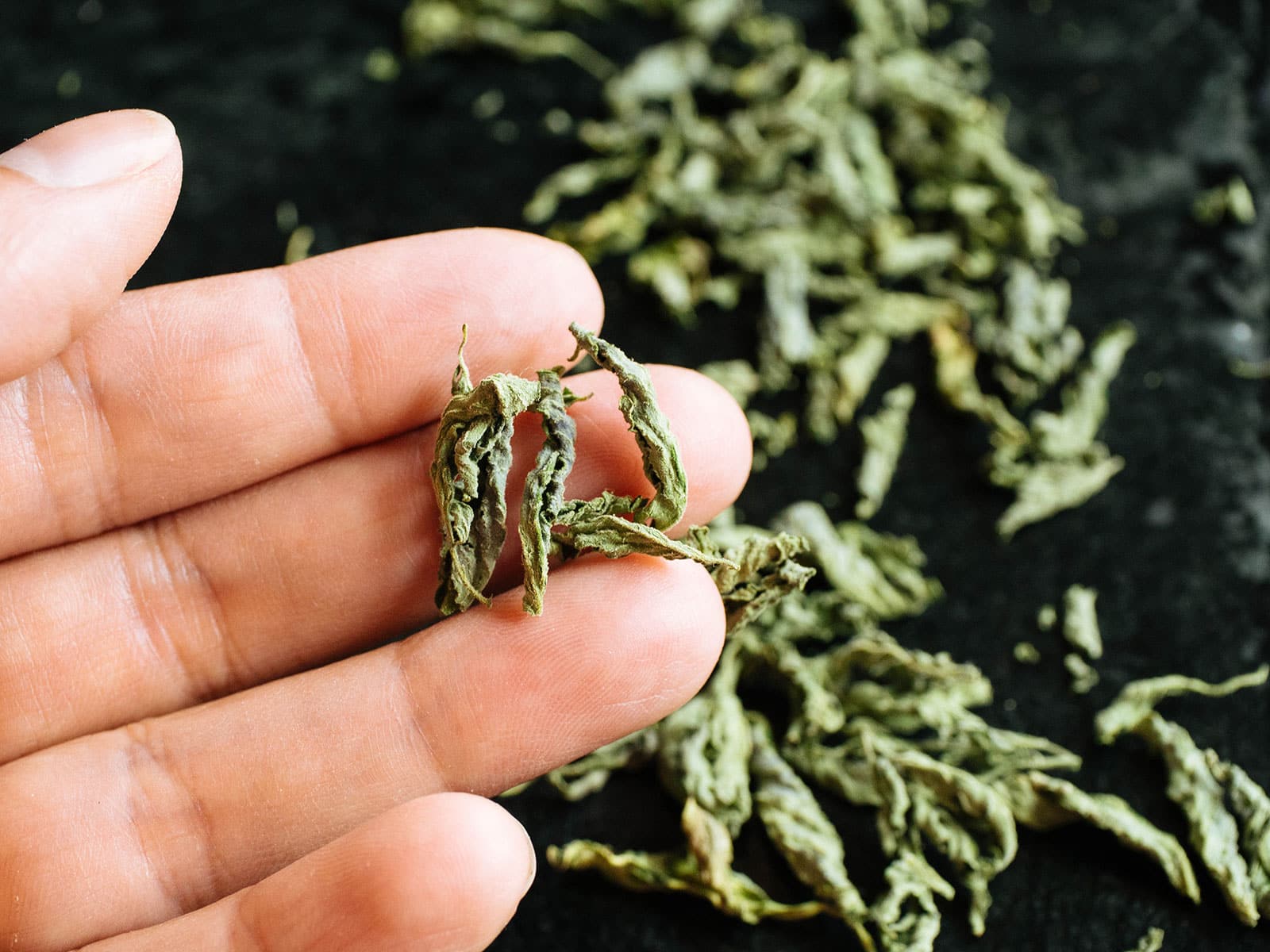
You can fold a spoonful of dried tomato leaves into pizza dough, sprinkle them over pasta, or even stir them into a bloody Mary. (Next-level deliciousness right there.)
6. Tomato stem powder
Got a dehydrator? You can dehydrate whole vines and then crush them in a food processor to make tomato stem powder.
Use it the way you’d use any other spice; a few pinches in soups and other savory dishes adds a wonderfully deep aroma.
7. Tomato leaf tea
Hear me out: Tomato leaf tea is not as weird as it sounds.
It doesn’t taste like a greenhouse. It doesn’t have any bitterness or any hint of that tomato vine smell you’re probably thinking.
Tomato leaf tea is mild and soothing and tastes a lot like artichoke tea. It’s subtly and softly sweet, and while you can sweeten it some more with honey or agave, I personally like it plain.
To make it, steep a handful of fresh tomato leaves in a cup of hot water for 5 to 10 minutes.
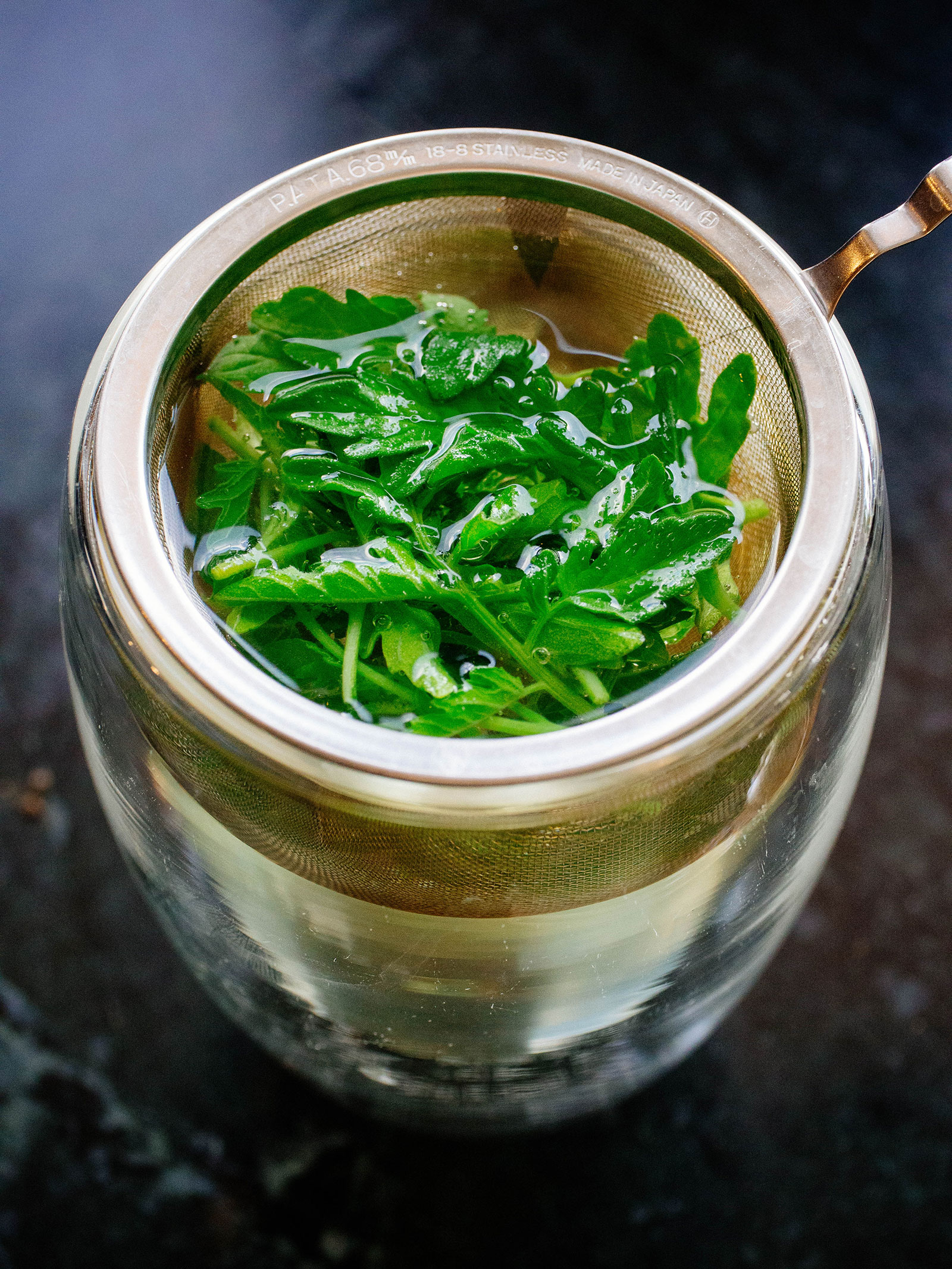
The extracts in tomato leaves haven’t been studied as extensively as other herbs, but research (like this one) has shown that the leaves are high in antioxidants. Using tomato leaves in an herbal tea is a great way to wind down and reap some of their potential health benefits.
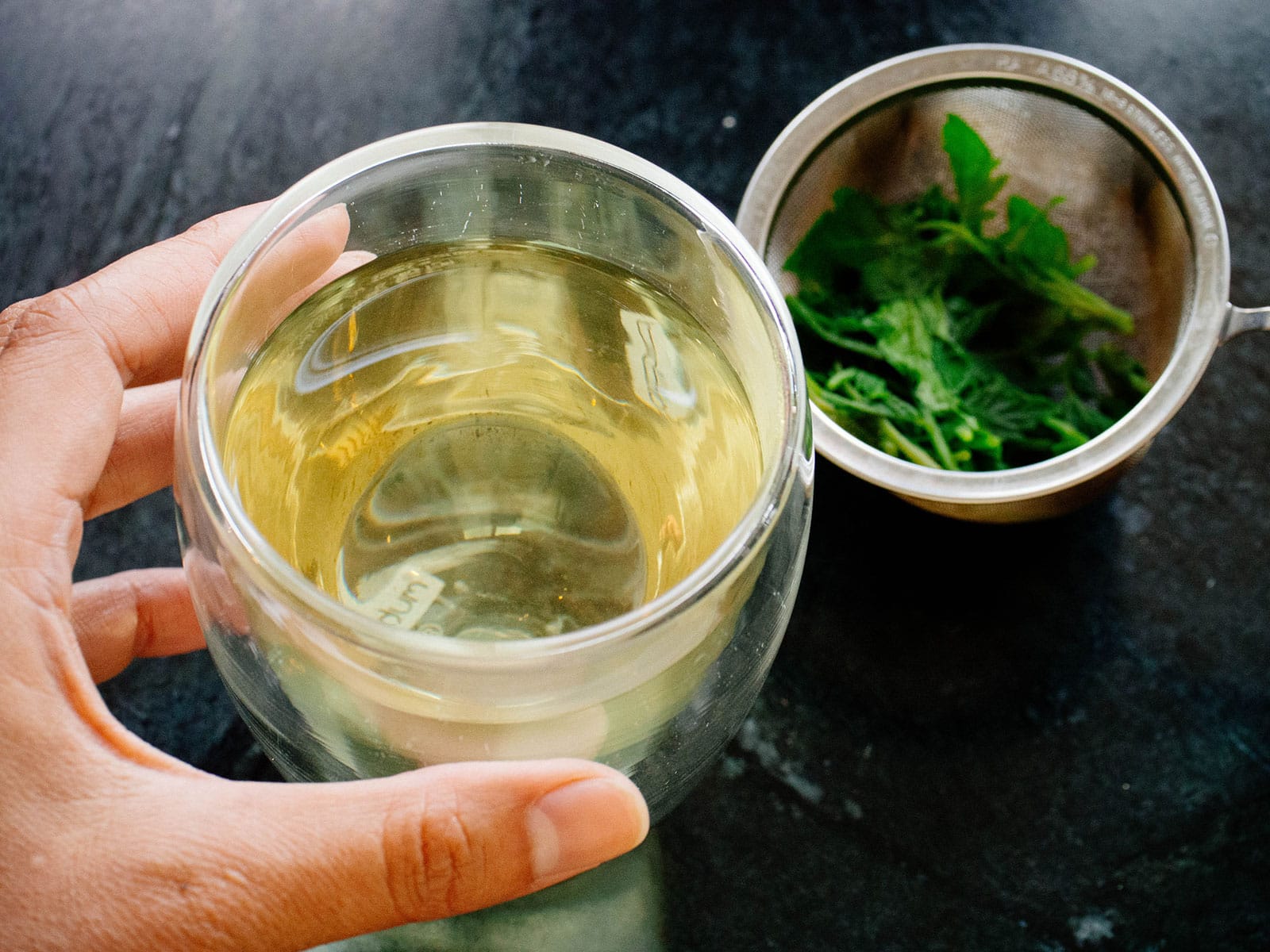
Try tomato leaves by themselves or blend them with other plants from the garden: lavender, mint, lemon balm, anise hyssop, chamomile, echinacea, rose hips, and raspberry leaves are all fabulous in tea. (If you’re pregnant or nursing, please consult with your doctor before consuming any kind of herbal tea.)